
The war in Iran may seem a mile away but it has the potential to affect first home buyers locally.
How does a war 13,000 kilometres away affect a First Home Buyer in Melbourne or Brisbane?
Let me explain.
Roughly 20 precent of the worlds oil supply travels through the straight of Hormuz. At it’s narrowest point the straight is only 33 kilometres wide. On the 28th of February Iran’s revolutionary guard corps sent VHF radio warning stating that ‘no ship is allowed to pass through the Strait of Hormuz’.
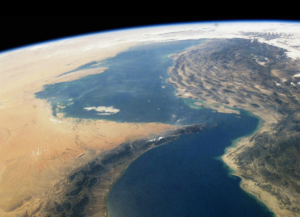
If ships cannot pass, that means millions of barrels of oil per day cannot reach the global market. Countries begin panic-buying oil. The price of oil rises.
Most people think this means you will pay more at the petrol bowser, which is true. What people forget is nearly everything in our economy is dependent on oil. When you go to Woolworths and do your grocery shopping that food has travelled there by oil fueled machines. If the price of oil goes up, the price of many of our daily items goes up.
The name for the price of everything increasing is inflation.
On the 4th of May, Reserve Bank Governor Michelle Bullock stated that inflation had picked up materially. Headline inflation was at 3.8% and the trimmed mean was at 3.3% to 3.4%.

The RBA’s target band is 2% to 3% inflation, we are above that target. We are also dealing with a very reactionary RBA, in that they read the data and then make their decisions based on that.
Given inflation was already rising and the likelihood of it continuing to rise given the ongoing conflict’s material effect on oil prices, it is reasonable to assume that interest rates will continue to go up.
Interest rises principally affect first home buyers in two ways:
Firstly, each interest rate rise means you can borrow less. For each .25% that interest rates go up you can borrow approximately $30,000 less than what you could before. Less borrowing power means less buying power.
Bad news.
Secondly, interest rises can dampen market enthusiasm. For example, investors get worried about further rate rises, less investors are in the market, therefore in a rising market, prices can stabilise as there is less competition for first home buyers.
Good news.
But we also need to look at current market events and the big one to be looking at is changes to the capital gains tax discount and negative gearing changes for investors. Without getting into the detail, both of these policies are tax breaks intended to encourage investors into the market. The proposed changes look to either abolish the tax breaks or reduce them.
At first glance, this seems like it wouldn’t be relevant to first home buyers but you need to dig a little deeper.
Some of the changes being proposed are on grandfathered terms. What this means is anyone who has bought a property prior to the new rules coming in would still be able to take advantage of the old, more favourable tax breaks in the future. This is causing a lot of investors to rush into the market to purchase a property in the hopes of getting in before the cut off.
I personally don’t think an interest rate rise will be enough to deter investors from trying to get in before the proposed changes take effect.
What’s the wash up for first home buyers?
I think you are staring down the barrel of higher inflation, higher interest rates, lower borrowing capacity and high competition from investors. Waiting even a few weeks could materially change what you are able to buy or if you are able to even purchase at all.
As I said in my book First Home Foundations, there are only two outcomes if you wait to buy property.
- The best case scenario is you will pay more money, for a smaller block of land, further way from your desired location.
- The worst case scenario is you will not be able to buy at all.
The time to act is now.
Leigh.